
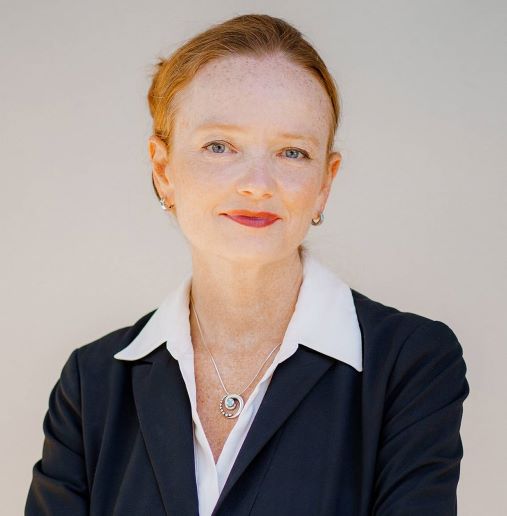
Thanks to the Sarasota Herald-Tribune for publishing this opinion piece by Selby Foundation President & CEO Susie Bowie.
Our world expands when we talk to people who work in the charitable sector.
The team at the William G. and Marie Selby Foundation likes to be in the community as much as possible, connecting with those who are powering change and possibility. This is how we learn.
Our recent visits to nonprofit organizations bring continued observations that are certainly not unique or new to us or to those who work in this space. But if you do not spend time immersed in nonprofits, these seven reflections are worth thinking about. They can influence how you choose to use your time or your money – and they can even influence your voice.
Here are the seven reflections:
1. You might be surprised to know the extent to which nonprofits are required to raise private dollars to help vulnerable people. For example, consider children in our community: Many youths literally depend on the services of nonprofits funded by individual or institutional investors for better well-being. These programs are not universally available; they are dependent on philanthropy instead of systems of care that can extend to all.
2. Investing early in people and communities significantly reduces extreme costs for everyone in society. Most of us know this instinctively. We can choose to spend more time and money at the front end for the benefit of all.
3. Nonprofit leaders and staff often go unrecognized for: a) their expertise; b) the skills they possess to excel in complex roles, and c) the time they dedicate to work that is not always proportional to their compensation.
4. When the right chief executives are in place, nonprofits do not need board members who challenge them to do more. They often need board members to do more. The impact of greater support and participation in essential roles like fundraising is often minimized. Not every board member can bring money to the table, but there are many ways they can help. It starts with showing up for the mission. Our region has exceptional board leaders who contribute in innumerable ways. Others can step up their contributions as the ultimate stewards of the organizations they are entrusted to advance.
5. The housing crisis is impacting every nonprofit mission in this region. Whatever we can do to address housing solutions will benefit all other causes in a positive way – whether they directly serve the needs of people or animals or our precious environmental resources.
6. When we are willing to face systems of inequity, the challenges will diminish for all, not some.
7. Local nonprofit organizations do work with each other in many ways – informally and formally. Shared clients, shared expertise and shared progress toward common aspirations are active parts of the success we see happening.
The nonprofit sector is not one of limitations. It is one of possibilities, innovation and commitment to helping our people, our planet and our community. It is populated by staff, volunteers, board members and donors who have been called to do this work because they care – and who have the knowledge and experience to do the hard work.
The Selby Foundation has a long history of helping local nonprofits by investing in capital such as buildings, technology, equipment and vehicles. When we were founded in 1955, Bill and Marie Selby may not have predicted that the charitable sector would emerge to its current level of importance and influence, upholding some of the most critical aspects of a healthy community.
One way our region can thrive is to recognize the unique insights the charitable sector offers and invest in the difference we are all called to make.